Partecipiamo al Programma Amazon EU Associates. Informativa completa →

Energy Basics

Best Smart Plugs to Save Energy This Year

A smart plug earns its keep when it quietly fixes one repeated waste pattern. If it crowds the outlet, confuses the app, or raises a safety question, the smart part stops mattering fast.

Naomi Park April 18, 2026 Last updated: April 23, 2026 8 min read
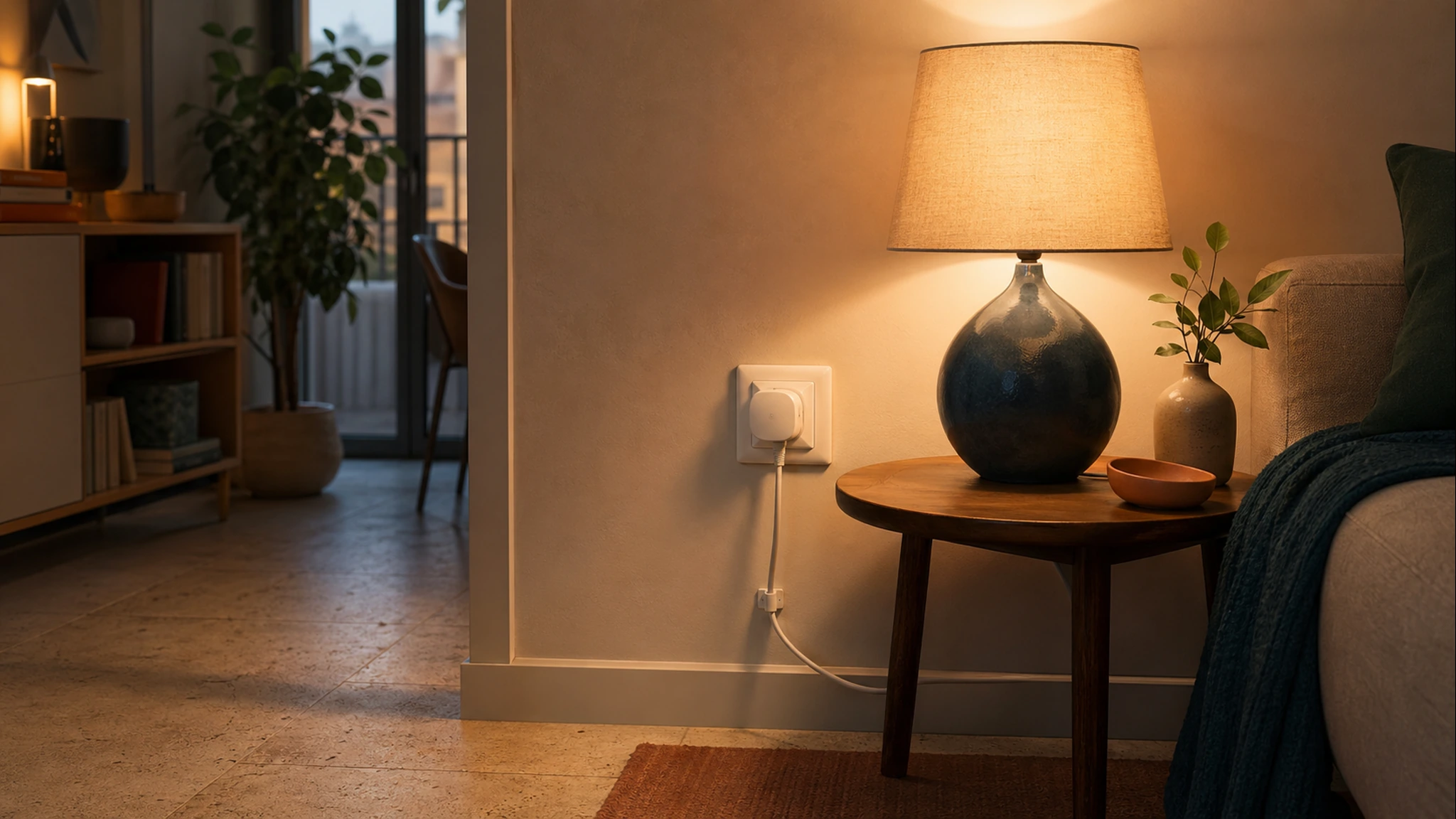
A warm apartment corner with a generic smart plug controlling a lamp.

Start with the habit, not the plug

A smart plug is not a miracle bill-slasher by itself. It becomes valuable when it interrupts a repeated waste pattern: porch lights left on too long, a coffee setup that runs on the same morning cadence, or accent lighting that nobody remembers to switch off at night. The strongest use case is almost always a boring one you repeat over and over.

That is why buyers who begin with a clear routine often end up happier than buyers who start with features. If you already know what you want to schedule, the shopping decision becomes simpler. If you do not, it is easy to buy a plug, connect it once, and then forget it exists after the novelty fades.

Outlet shape, load support, and physical fit can make or break the purchase

A plug that blocks the second outlet, sticks awkwardly behind furniture, or cannot support the appliance you had in mind is frustrating before the app even enters the conversation. In bedrooms, media consoles, and kitchens, compact physical design is often more important than an extra page of software settings.

This is also the point where buyers need to stay realistic about safety. Not every device should be remotely switched, and not every plug is appropriate for high-draw appliances. A smart plug works best when it manages predictable, suitable loads and does so without creating a messy or questionable wall setup.

Good scheduling beats app clutter every time

Many plugs now promise scenes, energy dashboards, voice assistants, away modes, and dozens of small extras. Most households will use only a tiny fraction of that. What keeps a smart plug useful is dependable timing, quick manual override, and an app that does not bury simple actions under layers of interface noise.

If the schedule is easy to adjust and the plug reconnects cleanly after normal home-network hiccups, you are far more likely to keep it in rotation. Small automation products win when they feel quiet and dependable, not when they demand attention every time you want a lamp to behave like a lamp.

Energy monitoring is useful only when it leads to a decision

Energy data can help when you are genuinely trying to compare which small appliances deserve automation, fewer run hours, or a tighter schedule. It is especially useful for households experimenting with dehumidifiers, fans, space-specific lighting, or other recurring devices that quietly run longer than expected.

But many buyers do not need that layer. If your goal is simply to automate a few lights or simplify a morning routine, monitoring can become extra app noise. The right question is not whether the feature exists. It is whether you will actually act on the information once the graph is in front of you.
Reader profiles

Category picks worth checking

Recommendation block

Low-profile smart plug for lamps and simple routines

Best for: Bedrooms, media consoles, and tight two-outlet spaces

Why consider it: A slim plug is often the best first purchase because it slips into daily life without crowding the wall or demanding much setup patience.

Pros

  • Better fit behind furniture and side tables
  • Ideal for schedules, lamps, and simple voice control
  • Easy entry point for first-time automation

Cons

  • May skip advanced monitoring features
  • Feature set is often intentionally minimal

What to know: For most homes, a plug that fits neatly and schedules reliably is more valuable than one with a flashy app.

Browse on Amazon.it

Recommendation block

Energy-monitoring smart plug for measured decisions

Best for: Buyers who want to compare appliance habits before adding more automation

Why consider it: This category earns its place when data will actually help you decide what to schedule, trim, or stop leaving on.

Pros

  • Useful for repeated-use small appliances
  • Can reveal waste patterns you do not notice manually
  • Helps plan future automation more intelligently

Cons

  • Not every home needs another dashboard
  • Reporting quality depends heavily on the app experience

What to know: Choose this only if you want information that will change behavior, not just another graph to ignore.

Browse on Amazon.it

Recommendation block

Outdoor smart plug for lighting and seasonal use

Best for: Patios, holiday lights, and weather-exposed routines

Why consider it: Outdoor control makes the most sense when you are tired of manual timers or inconsistent evening lighting.

Pros

  • Strong fit for repeat outdoor schedules
  • Often includes multiple controlled outlets
  • Useful for decor, patio lamps, and seasonal setups

Cons

  • Physically larger than indoor plugs
  • Placement flexibility depends on outlet position and weather cover

What to know: Weather sealing, cable spacing, and ease of override matter more here than app gimmicks.

Browse on Amazon.it

Before You Buy

Frequently asked questions

Do smart plugs meaningfully cut electricity costs?

They can, but mostly by helping you change repeated wasteful habits. The savings come from behavior and scheduling, not from the plug being magical by itself.

Who actually needs energy monitoring?

Buyers who want to compare recurring appliance use or decide where automation is worth expanding will benefit most. Many homes do fine with a simpler schedule-focused plug.

What should I be cautious about plugging into one?

High-draw or safety-sensitive appliances deserve extra care. Always check the supported load and whether remote switching is appropriate for that specific device.

NP

Written by

Naomi Park

Home Tech Writer

Naomi covers approachable upgrades for renters, first-time buyers, and households that want useful automation without overbuilding.