Partecipiamo al Programma Amazon EU Associates. Informativa completa →

Lighting Comparison

Philips Hue vs. LIFX: Which Smart Bulbs Are Better?

Hue vs. LIFX is less a brightness contest than a system-temperament choice: a broader lighting architecture with accessories and room logic, or a simpler bulb-first setup with less scaffolding.

Jordan Hale April 16, 2026 Last updated: April 23, 2026 8 min read
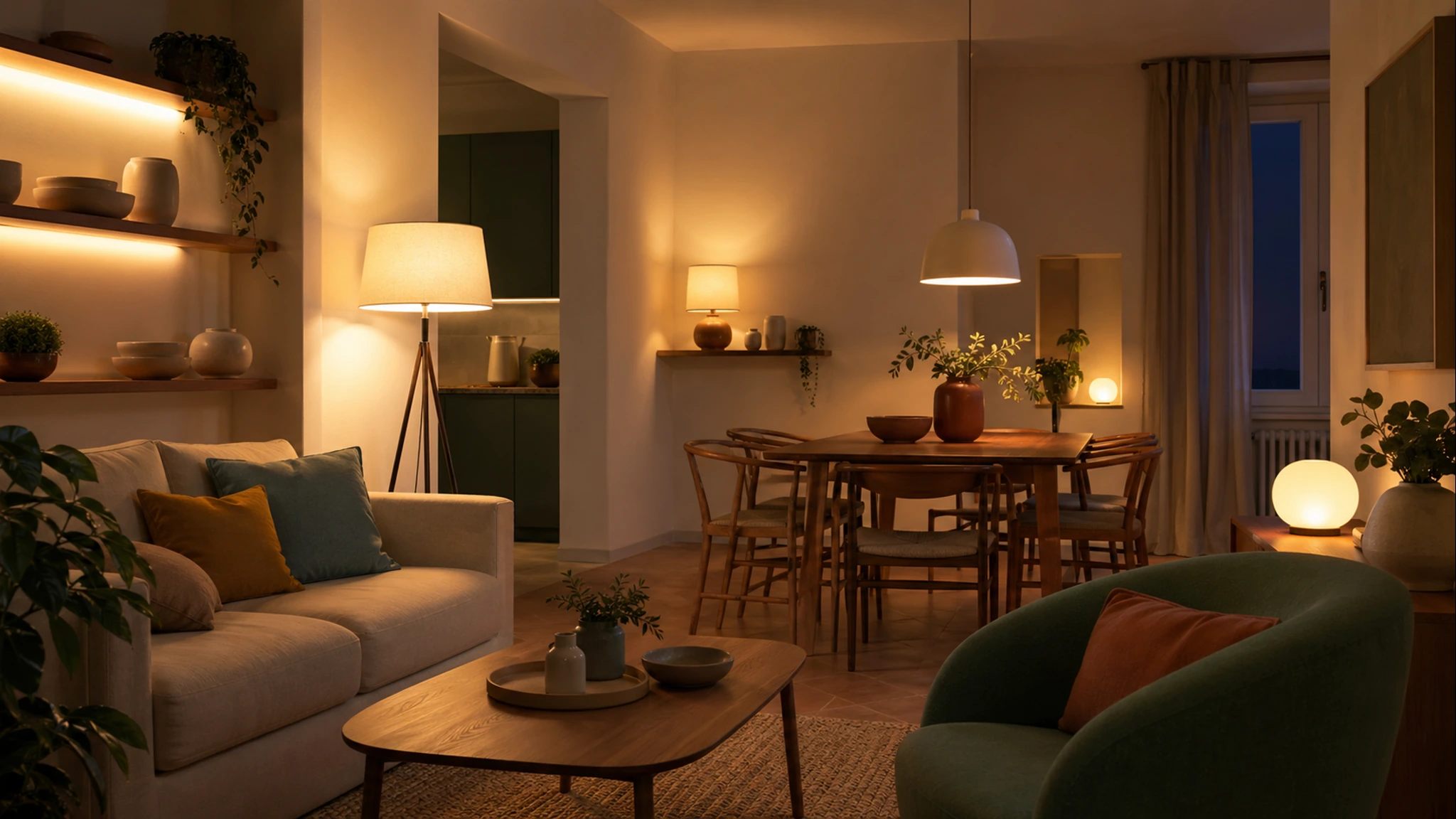
A warm living room with layered smart lighting.

This comparison is really about lighting philosophy

People often talk about Hue and LIFX as if the decision comes down to raw color performance or which app has the prettiest demo scenes. In real homes, the bigger difference is how each platform wants to be used. One leans into a broader ecosystem with accessories, rooms, and layered control. The other appeals to buyers who want a more direct bulb-first path without immediately building around extra hardware.

That distinction matters because lighting is not just about what one bulb looks like in isolation. It is about whether the system still feels coherent after you add a lamp, a strip, a dimming routine, and a second room. Buyers choosing between these platforms are often deciding what kind of home-lighting habit they want to live with for years, not just what looks best in a setup video.

Room scale changes the answer quickly

A single-room setup can make both platforms look similarly appealing. The differences become easier to feel when the system grows. If you expect multiple rooms, shared scenes, or a mix of bulbs and accent lighting, ecosystem consistency and accessory support start carrying more weight than a simple spec comparison can show.

On the other hand, buyers who mainly want a few expressive bulbs in a bedroom, office, or apartment living room may not need the larger scaffolding. They may value immediacy, bold output, or simpler expansion more than a deeply layered accessory universe. The right answer changes with scale, and that is where many generic 'winner' articles oversimplify the category.

Scenes, app feel, and accessories matter after the honeymoon phase

The early excitement of smart lighting fades quickly if the app feels fussy, the accessories are limited, or the scene behavior never quite matches the room. This is especially noticeable in homes where lighting is meant to support a routine rather than perform as a novelty. Morning brightness, evening dimming, and reliable room groups matter more than flashy screenshots once the setup becomes part of daily life.

Accessories can matter more than expected too. Wireless dimmers, motion triggers, and flexible strip options can quietly improve a lighting system in ways that a spec table never explains. For some buyers, that makes the broader platform worth the premium. For others, a simpler bulb-centered setup remains the better value because it gets them the look they want without ecosystem sprawl.

Buy for patience level as much as feature set

Some buyers enjoy tuning scenes, refining room behavior, and gradually building an intentional lighting layer across the house. Others just want color control, a couple of strong presets, and a system that works without much ceremony. Neither approach is wrong, but they should not be pushed toward the same platform logic.

The best choice is usually the one that matches how much system-building energy you genuinely have. Smart lighting should make a room feel better, not turn every evening lamp into a tiny software project. If one platform makes growth feel natural and the other feels like overhead, that emotional difference is part of the buying decision too.
Scenario picks

Three buyer profiles, three picks

Recommendation block

Accessory-friendly smart lighting ecosystem

Best for: Homes planning multiple rooms, routines, and layered controls

Why consider it: This path makes the most sense when you want lighting to grow into a larger system rather than remain a one-room experiment.

Pros

  • Stronger long-term ecosystem feel
  • Better support for accessories and room-level control
  • Usually easier to scale intentionally over time

Cons

  • Higher starting cost
  • Extra hardware can feel unnecessary in tiny setups

What to know: Worth paying for when you already know lighting is going to become a meaningful layer in the home.

Browse on Amazon.it

Recommendation block

Wi-Fi-first smart bulb setup

Best for: Smaller homes or buyers who want bold bulbs without a bigger system

Why consider it: A simpler bulb-first route is attractive when you care about immediate lighting control more than building a whole accessory network.

Pros

  • Lower friction for room-by-room upgrades
  • Can feel more direct for smaller setups
  • Good fit for apartments and single-space projects

Cons

  • May feel less cohesive as the setup expands
  • Accessory depth can be more limited

What to know: Strong option when you want expressive lighting fast and do not need every room to become part of one larger architecture.

Browse on Amazon.it

Recommendation block

Light strip or accent-light expansion kit

Best for: Desks, media spaces, shelving, and rooms that need layered mood lighting

Why consider it: Accent lighting often reveals the strengths or weaknesses of a platform faster than a single bulb ever will.

Pros

  • Adds depth beyond ceiling or lamp bulbs
  • Useful for media corners and visual zoning
  • Helps test how flexible the ecosystem really feels

Cons

  • Can be expensive per area covered
  • Setup quality varies a lot between platforms and rooms

What to know: If you care about scenes and atmosphere, do not judge a lighting platform only by its standard bulb lineup.

Browse on Amazon.it

Quick Answers

Frequently asked questions

Is one platform automatically better for everyone?

No. One often suits buyers who want a deeper ecosystem, while the other can be a better fit for smaller, more direct bulb-first setups.

What matters more than raw bulb brightness?

Scene quality, room consistency, accessory support, app feel, and how easily the platform grows with your home usually matter more over time.

Should I think about accessories from the start?

Yes, at least a little. The need for dimmers, strips, motion support, or room-wide routines often decides whether a platform still feels right six months later.

JH

Written by

Jordan Hale

Smart Home Editor

Jordan focuses on ecosystem fit, privacy tradeoffs, and the practical side of building a smart home that still feels calm to use.