Map the zones you care about before you compare hardware
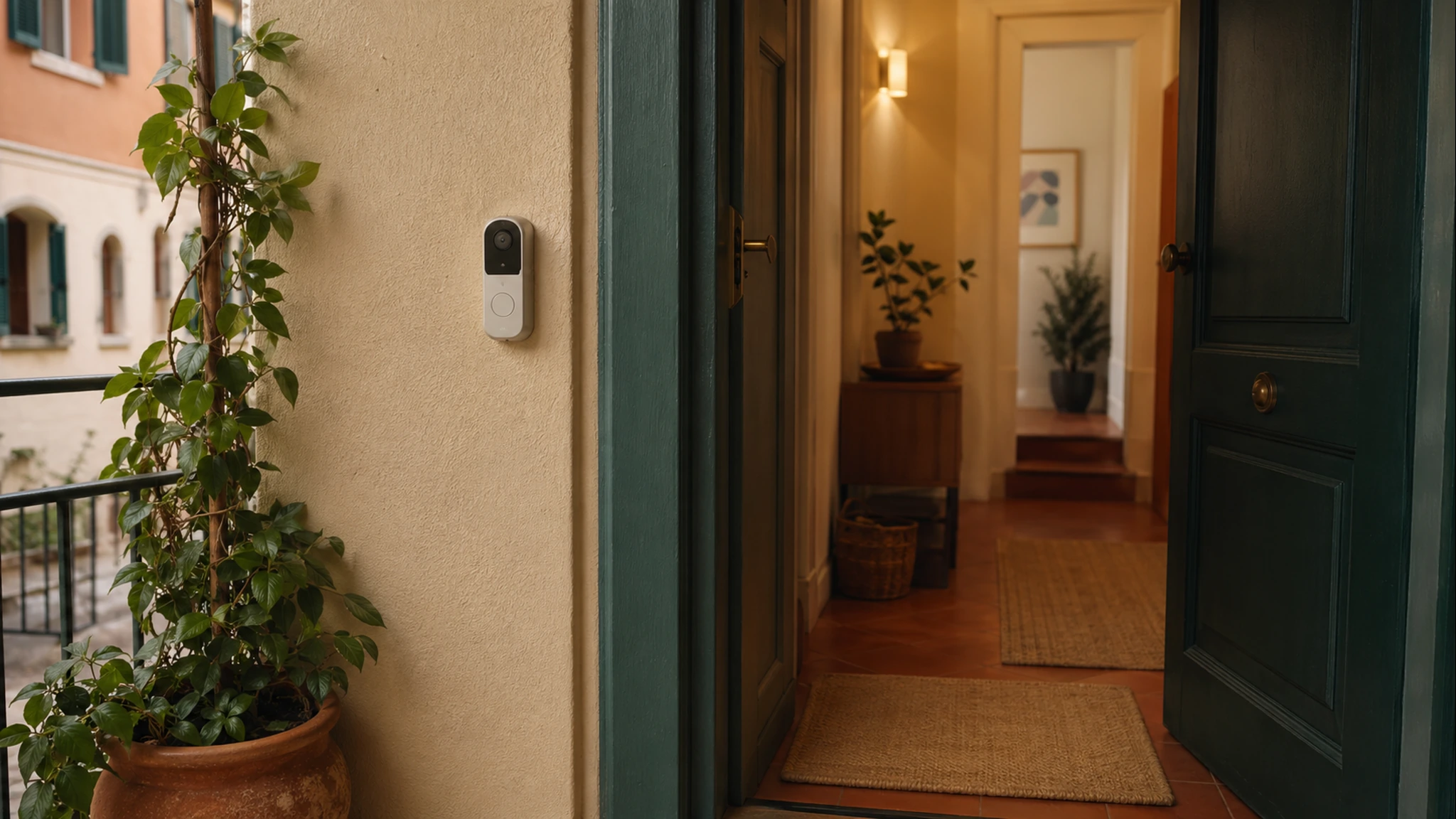
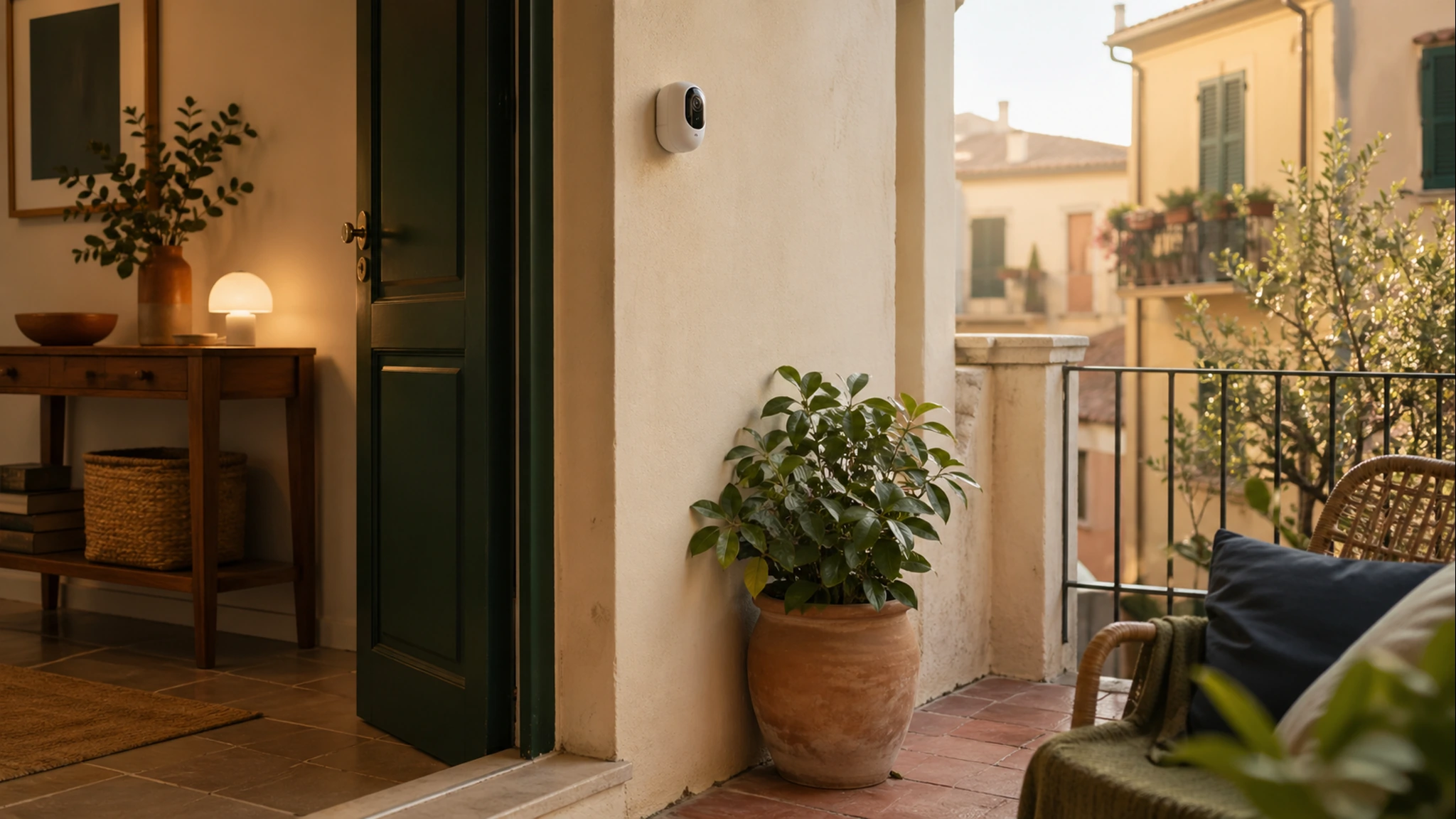
A front door, a driveway, a side gate, and an indoor hallway all ask different things of a camera. Some locations benefit from wide awareness and fast alerts. Others need better night visibility, cleaner mounting options, or a less intrusive approach to privacy. When buyers skip this step and jump straight into specs, they often end up comparing products without a clear job description.
A camera becomes easier to choose when the purpose is concrete. Do you want to confirm package delivery, check a side entrance, or occasionally look in on a pet-safe room? That answer narrows resolution needs, power preferences, and storage tolerance much faster than browsing endless grids of similar-looking hardware.
Power and storage shape the daily experience more than resolution does
Battery models offer placement freedom and lower installation friction, which can be a huge win for renters or awkward exterior walls. Wired models usually ask more from the setup stage but pay you back with steadier long-term operation in high-traffic areas. That tradeoff matters more in practice than a small jump in image sharpness.
Storage works the same way. Buyers often focus on image quality first and discover later that their bigger frustration is clip retrieval, missing events, or awkward subscription decisions. A storage approach only works if reviewing footage feels straightforward enough that you trust it when something actually happens.
Alert quality and lighting conditions decide whether the system stays useful
A camera that notifies you constantly about harmless motion trains you to ignore it. A camera that misses the one event you cared about does the same thing for a different reason. Useful security gear lives in the middle ground: enough sensitivity to catch the meaningful moment, but not so much noise that the system becomes background irritation.
Lighting matters here too. Porches with uneven shadows, driveways with passing headlights, and side paths with weak illumination all test the real-world value of a camera more than a bright showroom demo ever will. Good placement and sensible expectations usually improve results more than chasing the most premium resolution tier.
Indoor coverage deserves more restraint than buyers sometimes expect
Indoor cameras can be helpful for narrow use cases like checking a pet area, seeing an entry point, or getting occasional reassurance while away. But inside the home, privacy tradeoffs rise quickly. If the reason for indoor monitoring is vague or emotional rather than specific, that is often a sign to pause instead of adding another camera angle.
In many homes, a stronger outdoor entry view and one carefully chosen indoor location provide better security value than a scattered network of devices. More cameras do not automatically create more clarity. They can just create more footage, more notifications, and more spaces that no longer feel comfortably private.